A Competency-to-Credential Pathway for Immigrant Agricultural Talent

Overview

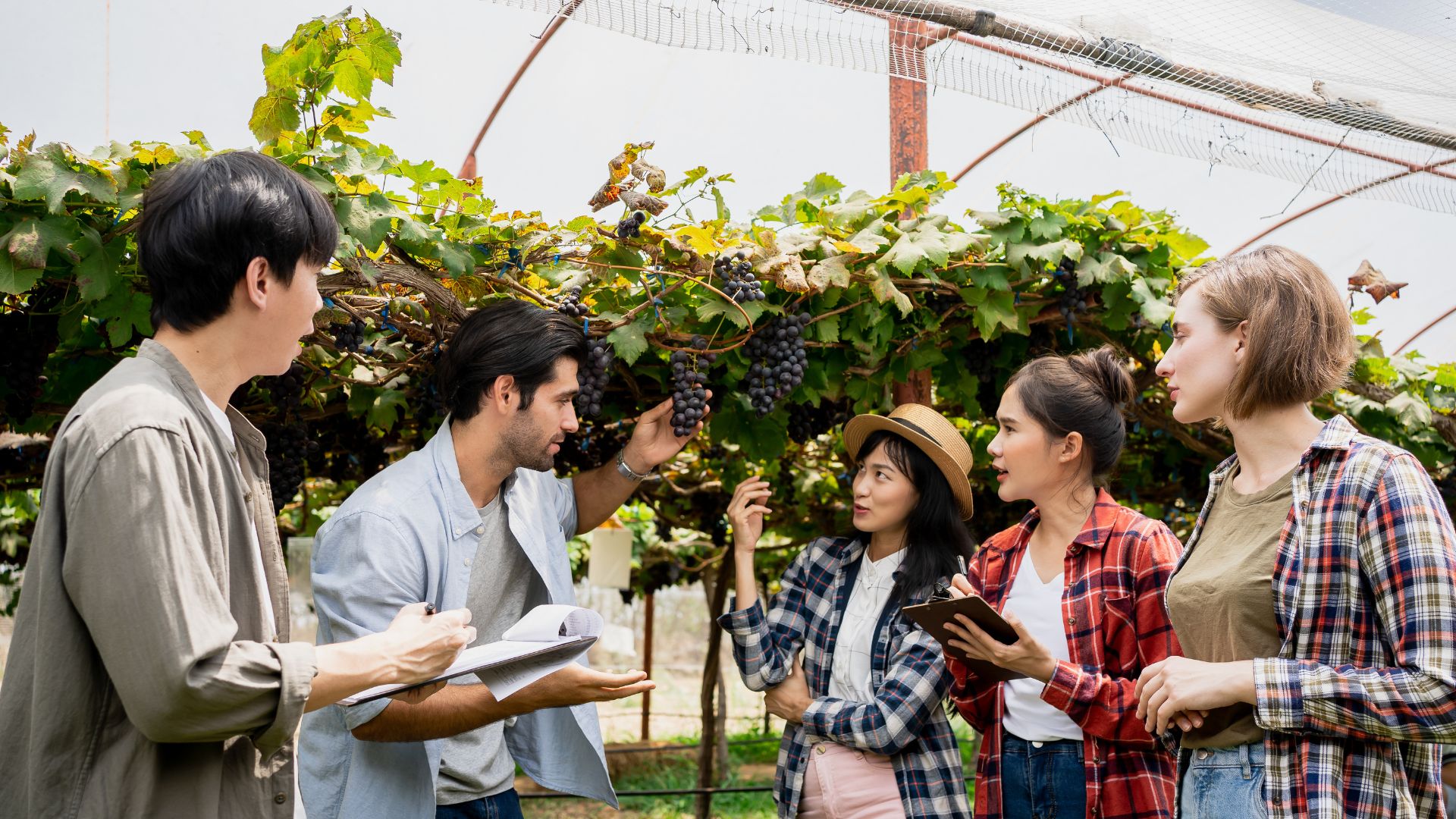
The COCD Agriculture Career Bridge is a workforce-aligned, credit-bearing language pathway program that prepares bilingual and internationally experienced agricultural talent for safe, effective, and reliable entry into modern agricultural, food systems, and environmental careers.

The program functions as a Competency-to-Credential Pathway, re-credentialing individuals with real-world agricultural experience and translating their skills into recognized workforce and academic outcomes.

Purpose

The pathway treats language as agricultural infrastructure—ensuring workers can communicate clearly, follow production protocols, apply safety standards, manage resources, and function confidently in field, greenhouse, and market environments.

At the same time, the program builds a parallel on-ramp to college, allowing participants to transition from noncredit training into aligned agriculture programs without traditional remediation barriers.

  • The work aligns with the following agricultural and food system roles:
  •  Urban Agriculture Technicians
  •  Farm Operations Assistants
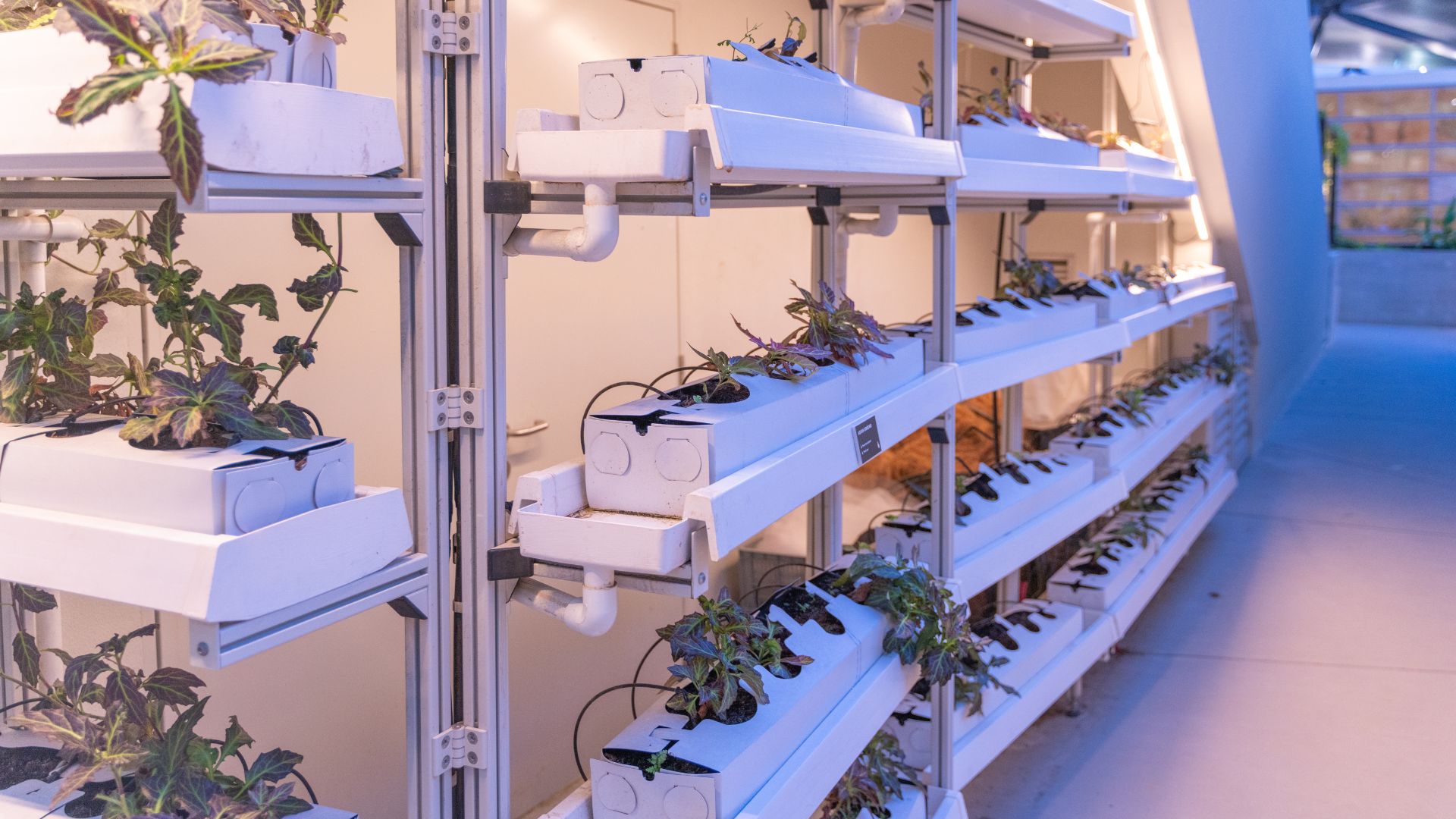
  •  Greenhouse and Controlled Environment Workers
  •  Food Production and Distribution Workers
  •  Agricultural Entrepreneurs and Market Gardeners
Student Eligibility

The pathway treats language as agricultural infrastructure—ensuring workers can communicate clearly, follow production protocols, apply safety standards, manage resources, and function confidently in field, greenhouse, and market environments.

At the same time, the program builds a parallel on-ramp to college, allowing participants to transition from noncredit training into aligned agriculture programs without traditional remediation barriers.

  • The work aligns with the following agricultural and food system roles:
  •  Urban Agriculture Technicians
  •  Farm Operations Assistants
  •  Greenhouse and Controlled Environment Workers
  •  Food Production and Distribution Workers
  •  Agricultural Entrepreneurs and Market Gardeners
Levels and Courses

Level 1

  • ACB 111: Understanding Agricultural Terminology and Tools
  • ACB 112: Basic Measurement, Counting, and Resource Use (Math Integration)
  •  ACB 113: Communicating about Crops, Soil, and Environment
  •  ACB 114: Basic Workplace Norms in Agricultural Settings

Result: Program completers can function safely in entry-level agricultural roles and begin demonstrating foundational competencies aligned with college entry expectations.
CEFR: A1 to A2+

Level 2

  • ACB 211: Applying Agricultural Terminology in Practice
  •  ACB 212: Using Measurements, Planning, and Yield Calculations
  •  ACB 213: Communication with Teams, Supervisors, and Customers
  •  ACB 214: Meeting Workplace and Production Expectations

Result: Program completers can function effectively in diverse agricultural and food system roles and meet competency benchmarks required for transition into postsecondary training.
CEFR: A2+ to B2+

Level 3

  • ACB 311: Specialized Agriculture (Urban Farming, Greenhouse, Agribusiness)
  • ACB 312: Managing Production Systems and Problem Solving
  •  ACB 313: Advanced Communication in Sales, Training, and Leadership
  •  ACB 314: Professionalism, Entrepreneurship, and Compliance

Result: Program completers are prepared to transition directly into aligned college agriculture programs (e.g., certificates and degrees offered through partners such as Clark State College) or advance into employment and entrepreneurship without remediation.